
Palm payment is moving from technology demonstrations into real-world payment environments.
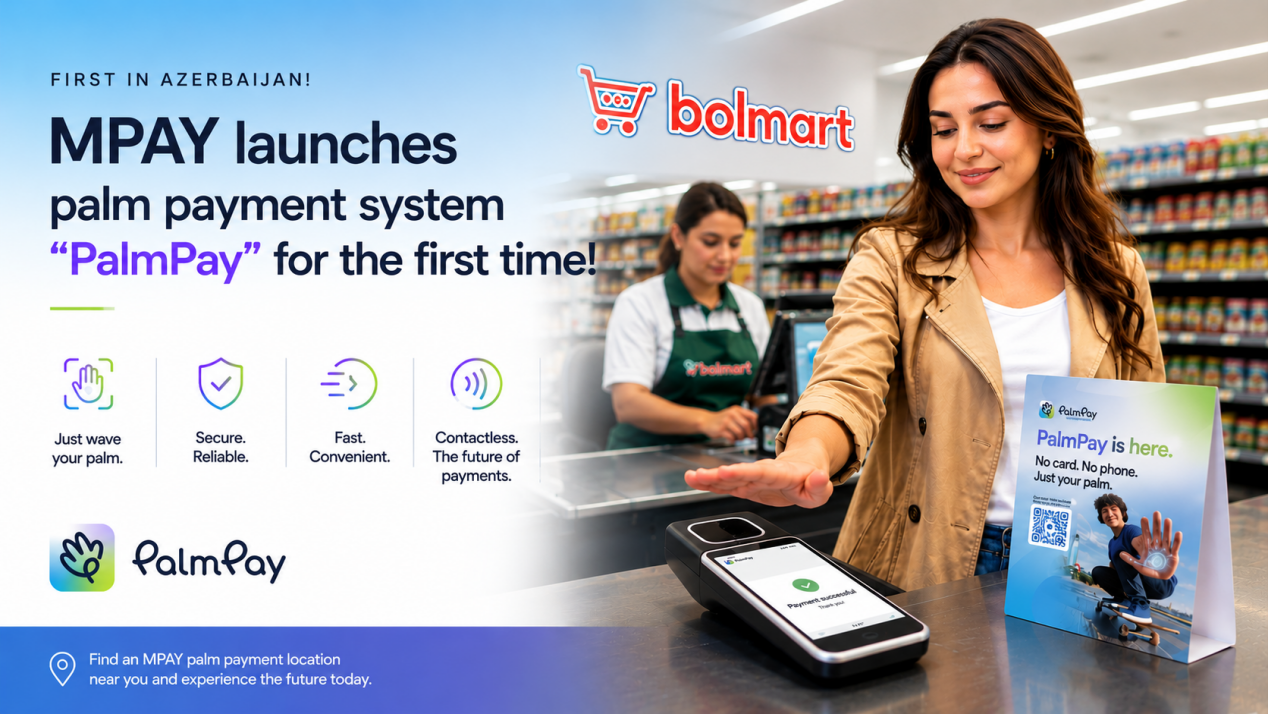
In Azerbaijan, MPAY has officially launched palm payment, giving users a new way to authenticate payments without needing to take out a physical card or mobile phone at the point of interaction.
For X-Telcom, this is an important example of where biometric payment technology is heading.
The value of palm payment is not simply that it introduces another biometric technology. Its real value is that it can remove unnecessary steps from the payment experience.
What Is Palm Payment?
Palm payment uses biometric palm recognition to identify or authenticate a registered user and connect that identity with the relevant payment ecosystem.
Instead of reaching for a wallet, presenting a bank card or opening a payment application on a smartphone, the registered user simply presents their palm to a compatible palm recognition device.
The biometric system can then authenticate the user and allow the connected payment platform to continue the transaction.
The experience can be extremely simple:
Present Palm → Authenticate User → Connect Payment Account → Process Payment
Once the user has completed enrollment and linked the appropriate payment account, the palm becomes the authentication method at the point of interaction.
Why Does Palm Payment Matter?
Contactless cards and mobile wallets have already made payments significantly faster. But both still require the customer to carry and present something.
Palm payment introduces another possibility:
No wallet.
No physical card.
No phone.
Just your palm.
Consider everyday situations where someone is:
- Carrying shopping bags
- Holding a coffee or food
- Travelling with luggage
- Exercising without carrying a wallet
- Making a quick purchase
- Simply trying to avoid unnecessary steps at checkout
In these situations, removing the need to search for a card or phone can create a more natural payment experience.
The objective is not to make payment more complicated with biometrics.
It is to make payment simpler.
Palm Recognition as an Authentication Layer
It is important to understand that palm payment is an ecosystem, not simply a palm scanner connected to a POS terminal.
A complete palm payment environment can involve:
Palm Recognition + Digital Identity + User Account + Payment Platform + API Integration + Acquirer/Bank/Wallet + Payment Hardware
The biometric technology provides the identity and authentication layer.
The financial transaction itself remains connected to the appropriate payment infrastructure, which may include banks, acquiring platforms, digital wallets, payment gateways or other regulated financial service providers.
This is why successful palm payment deployments require close cooperation between biometric technology providers, fintech companies, payment platforms, banks and local ecosystem partners.
Why Palm Biometrics Are Well Suited to Payment
Payment authentication has several requirements that make palm recognition particularly interesting.
Contactless Interaction
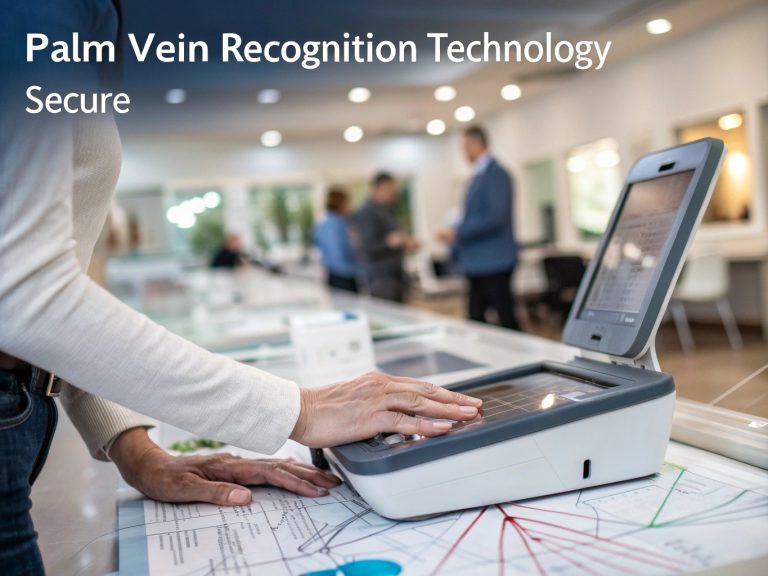
Palm recognition can authenticate a user without requiring direct physical contact with the sensor.
Intentional Authentication
Unlike some passive biometric technologies, presenting a palm is normally a deliberate user action.
For a payment environment, this can be important because the customer intentionally presents their palm when they want to authenticate.
RGB and NIR Recognition
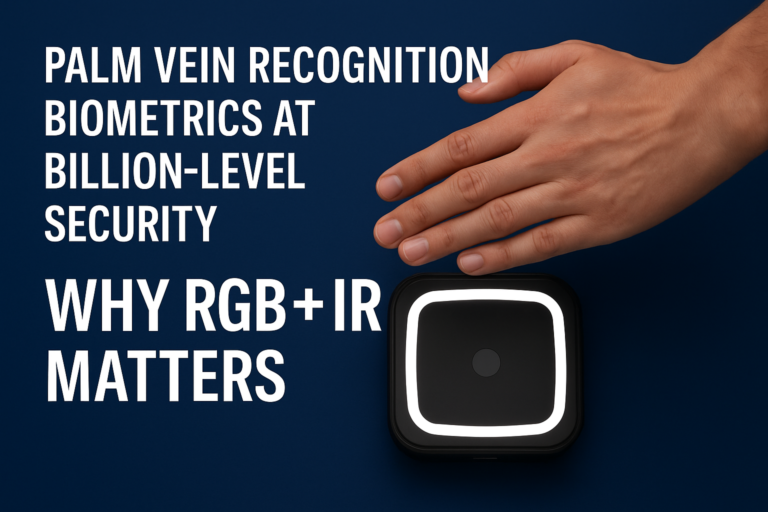
X-Telcom palm recognition technology combines RGB palm characteristics with NIR palm vein information, providing multiple biometric characteristics within the authentication process.
Liveness Detection
Liveness detection can be incorporated into the biometric workflow to help determine whether the system is interacting with a genuine live palm rather than a presentation attack.
1:N Identification
For suitable architectures, palm recognition can also support 1:N biometric matching.
Instead of asking:
“Does this palm belong to this specific account?”
the system can identify:
“Which registered user does this palm belong to?”
This capability is particularly relevant to payment experiences designed to operate without the customer first presenting a card or mobile device.
From Biometric Technology to a Payment Ecosystem
One of the biggest lessons from real-world biometric payment projects is that the biometric algorithm is only one part of the solution.
A successful deployment also requires a mature fintech infrastructure.
The payment provider or ecosystem partner needs to consider areas such as:
- User registration and account linking
- Payment platform integration
- API connectivity
- Transaction authorization
- Bank or acquirer integration
- User consent and data management
- Security architecture
- Biometric enrollment
- Device deployment and management
- Transaction and authentication workflows
This is why X-Telcom focuses on working with partners that have both the commercial ecosystem and technical capability required to deploy palm payment at scale.
MPAY Brings Palm Payment to Azerbaijan
The launch by MPAY in Azerbaijan demonstrates how palm recognition can move beyond demonstrations and pilot concepts into a real payment environment.
For consumers, however, the technology is best understood through experience.
A customer does not need to understand NIR imaging, biometric templates or 1:N matching algorithms.
They simply experience a different way to pay.
Present your palm.
Authenticate.
Complete the transaction.
That simplicity is ultimately what makes the technology interesting.
Building the Next Generation of Biometric Payment
At X-Telcom, we believe the next stage of biometric payment will be driven by strong local ecosystems.
Technology providers alone cannot build the entire payment environment.
Banks, fintech companies, acquirers, payment processors, merchants, software developers and biometric technology providers each have an important role.
X-Telcom provides the palm biometric technology layer, including palm recognition hardware, RGB and NIR biometric capture, liveness detection, biometric matching, SDK/API integration and scalable matching architecture.
Our focus is working with capable partners to integrate these technologies into practical payment and digital identity solutions.
Experience Palm Payment in Azerbaijan
If you are in Azerbaijan and have access to an MPAY palm payment location, we encourage you to experience it for yourself.
Sometimes the most meaningful innovation is not about adding another feature.
It is about removing a step.
No wallet. No card. No phone. Just your palm.
FAQ
What is palm payment?
Palm payment is a biometric payment method that uses palm recognition to identify or authenticate a registered user and connect that identity with a payment account or payment platform.
Can palm payment work without a card or phone?
Once a user has been enrolled and the appropriate payment account has been linked, a palm payment system can allow the user to authenticate at the point of interaction without presenting a physical card or smartphone.
Does palm recognition process the payment itself?
No. Palm recognition provides the biometric identification or authentication layer. The financial transaction is processed through the connected payment infrastructure, such as a payment platform, bank, acquirer, wallet or payment processor.
Why is 1:N biometric matching important for palm payment?
1:N matching allows the system to search a registered biometric database to identify the user from their palm. This can help create payment experiences where the user does not first need to present another identifier such as a card or mobile device.
Does X-Telcom provide palm payment technology?
X-Telcom provides palm recognition hardware, biometric algorithms and SDK/API integration capabilities that can be incorporated into payment and digital identity ecosystems. Complete payment deployments typically require integration with local banks, fintech platforms, acquirers or other payment infrastructure.
Learn more from: https://x-telcom.com/palm-payment-china-solution/