

Market: Kazakhstan
Project type: Large-scale biometric payment rollout
Deployment volume: Approximately 30,000 devices
Rollout period: Just a few months
Large Deployments Begin Long Before Installation
Installing a few biometric terminals for testing is relatively straightforward. Preparing tens of thousands of devices for commercial use is a very different challenge.
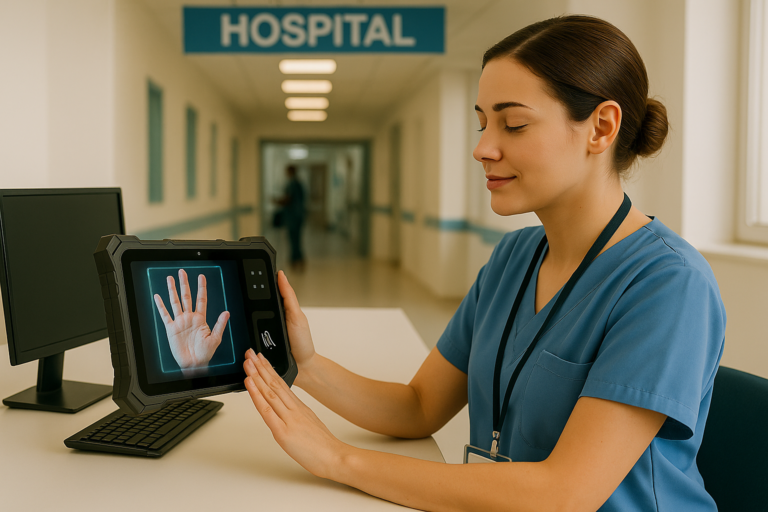
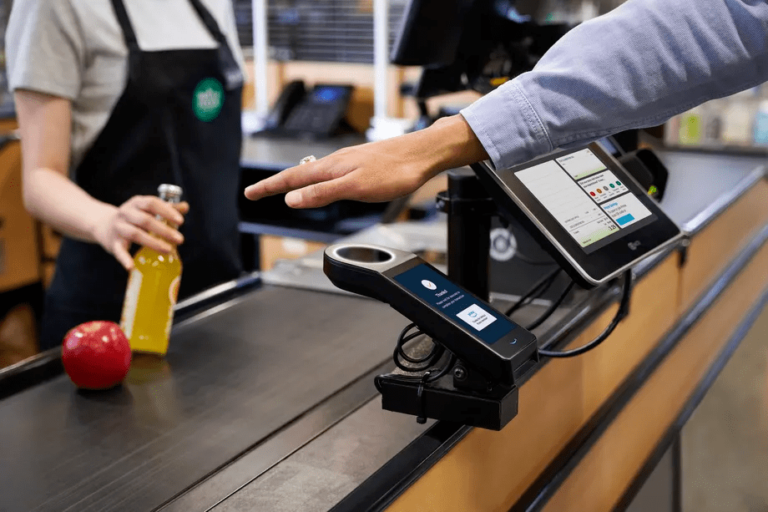
An extensive palm payment project in Kazakhstan moved from initial validation to the rollout of approximately 30,000 devices in just a few months. The project provides a useful example of what manufacturers and system integrators must consider when biometric payment hardware moves beyond the pilot stage.
The financial institution involved is not identified for commercial and confidentiality reasons.
This article focuses on the hardware and deployment lessons relevant to manufacturers, integrators and payment technology providers.
A Successful Pilot Does Not Automatically Guarantee a Successful Rollout
A pilot normally verifies whether the core functions work:
- Can the device capture the required palm data?
- Can the application communicate with the biometric module?
- Is recognition fast enough for the intended environment?
- Can the terminal connect reliably to the customer’s platform?
- Is the user interaction simple and repeatable?
Commercial deployment introduces a broader set of requirements.
At scale, every component must remain consistent across thousands of units. A minor issue involving power, connectivity, firmware or device configuration can become a significant operational problem when multiplied across an extensive deployment.
Hardware Consistency Becomes a Core Requirement
Before mass production, the project team must define and lock the hardware configuration.
Important areas include:
- Palm recognition sensor configuration
- Processor and memory specifications
- Display and touch-panel consistency
- Power supply and power stability
- USB, Ethernet, Wi-Fi or cellular connectivity
- Device enclosure and thermal performance
- Production firmware
- Peripheral compatibility
- Packaging and labeling requirements
Uncontrolled component substitutions can affect software compatibility, biometric image quality and field performance. For this reason, the approved bill of materials should remain stable throughout production unless a change has been tested and formally accepted.
Firmware Must Be Ready for Commercial Operation
Engineering firmware may be suitable for development, but commercial devices require a controlled production version.
A production-ready firmware strategy should address:
- Application installation and permissions
- Secure boot and system access
- Kiosk-mode operation
- Device configuration
- Remote updates
- Application recovery
- Diagnostic logging
- Version control
- Unauthorized software installation
Every production batch should use an approved firmware version. Firmware changes introduced during manufacturing should be recorded, tested and communicated to the integration team.
Device Management Should Be Planned Early
Once devices are distributed across many locations, manual maintenance becomes inefficient.
A suitable terminal management process can help operators:
- View device status
- Distribute application updates
- Apply configuration policies
- Monitor connectivity
- Identify abnormal devices
- Manage firmware versions
- Restart or recover supported terminals
- Maintain a record of deployed assets
Device management should be included in the system design before rollout, rather than added only after operational issues appear.
Production Testing Must Reflect Real Use
A device that powers on successfully has not necessarily passed payment deployment testing.
Factory and pre-shipment checks should cover areas such as:
Biometric Capture
- RGB and infrared image capture
- Palm positioning
- Capture consistency
- Recognition response
- Sensor cleanliness and alignment
Terminal Operation
- Touchscreen response
- Network connectivity
- Power stability
- Peripheral communication
- Application startup
- Sleep and wake behavior
Reliability
- Repeated scanning
- Continuous operation
- Temperature behavior
- Restart recovery
- Extended network use
Testing criteria should be documented and applied consistently to each production batch.
Packaging and Logistics Are Part of Product Quality
Large deployments also depend on practical delivery preparation.
Each device may require:
- A unique serial number
- Device and carton labels
- Market-specific power accessories
- Installation instructions
- Protective packaging
- Batch identification
- Shipping records
- Spare-unit planning
Clear labeling and traceability make installation, asset management and after-sales support more efficient.
Integration Responsibilities Must Be Clearly Separated
A palm payment terminal is one component of a broader commercial system.
The hardware provider may supply:
- Biometric terminals
- Palm recognition modules
- Hardware interfaces
- Device firmware
- SDK support
- Production and testing
- Device-management capabilities
The customer or system integrator generally remains responsible for:
- User accounts
- Payment processing
- Transaction authorization
- Wallet or banking integration
- Customer databases
- Regulatory compliance
- Commercial operations
Defining these responsibilities early helps prevent uncertainty during testing and deployment.
What X-Telcom Contributes to Large Hardware Projects
X-Telcom supports biometric payment and identity projects as a hardware manufacturer and integration partner.
Our capabilities include:
- Android palm payment terminals
- USB palm recognition devices
- Customized hardware configuration
- SDK-ready device integration
- Firmware adaptation
- OEM and ODM services
- Manufacturing and quality control
- Batch-level functional testing
- Packaging customization
- Technical coordination during rollout
The final project architecture depends on the customer’s application, payment platform, security requirements and operating environment.
Practical Lessons for Future Rollouts
Several hardware lessons are especially important when moving from a pilot to mass deployment:
- Finalize the device specification before production.
- Avoid unverified component changes.
- Use controlled production firmware.
- Test complete workflows, not only individual components.
- Plan remote device management before installation.
- Maintain serial-number and batch traceability.
- Prepare spare devices and replacement procedures.
- Separate hardware, biometric and payment responsibilities.
- Confirm packaging and power requirements for the target market.
- Keep manufacturing and integration teams aligned throughout the rollout.
Preparing Hardware for Commercial Scale
Large biometric payment projects depend on more than recognition accuracy. They require repeatable manufacturing, stable firmware, consistent testing, practical device management and clearly defined integration responsibilities.
For teams planning a palm payment rollout, hardware readiness should be evaluated at the beginning of the project—not after the pilot has already been approved.
Contact X-Telcom to discuss device specifications of palm vein payment hardware, sample testing, integration requirements and production planning.
Disclaimer
This article presents general hardware and deployment observations based on X-Telcom’s project experience and internal records.
The financial institution involved is not identified for commercial and confidentiality reasons. This publication is not sponsored, approved or endorsed by any financial institution or third-party brand, and it should not be interpreted as an official customer testimonial, partnership announcement or jointly published case study.
Project volumes and timelines are provided for general informational purposes and should be supported by appropriate internal documentation before publication.