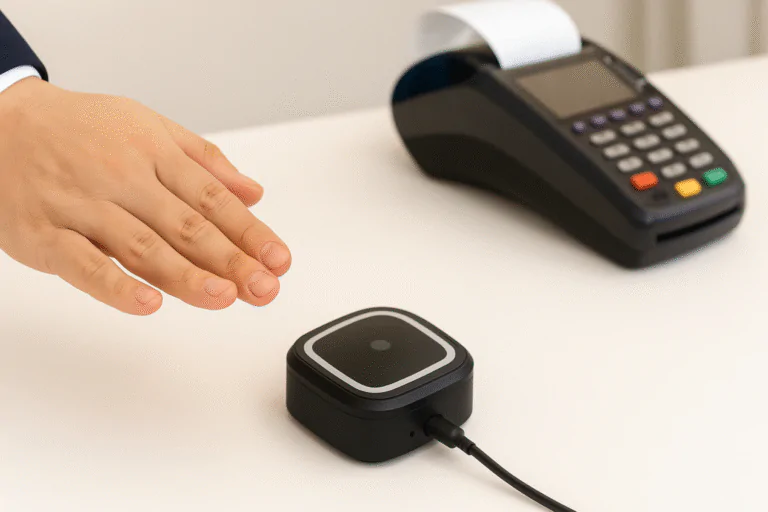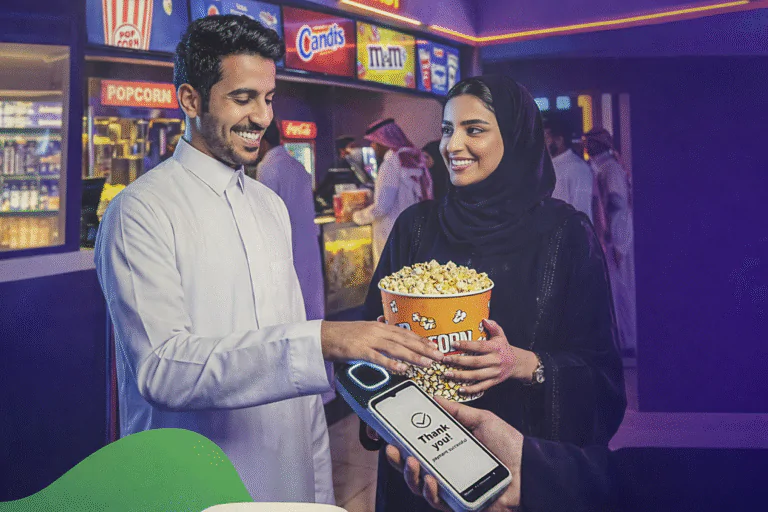

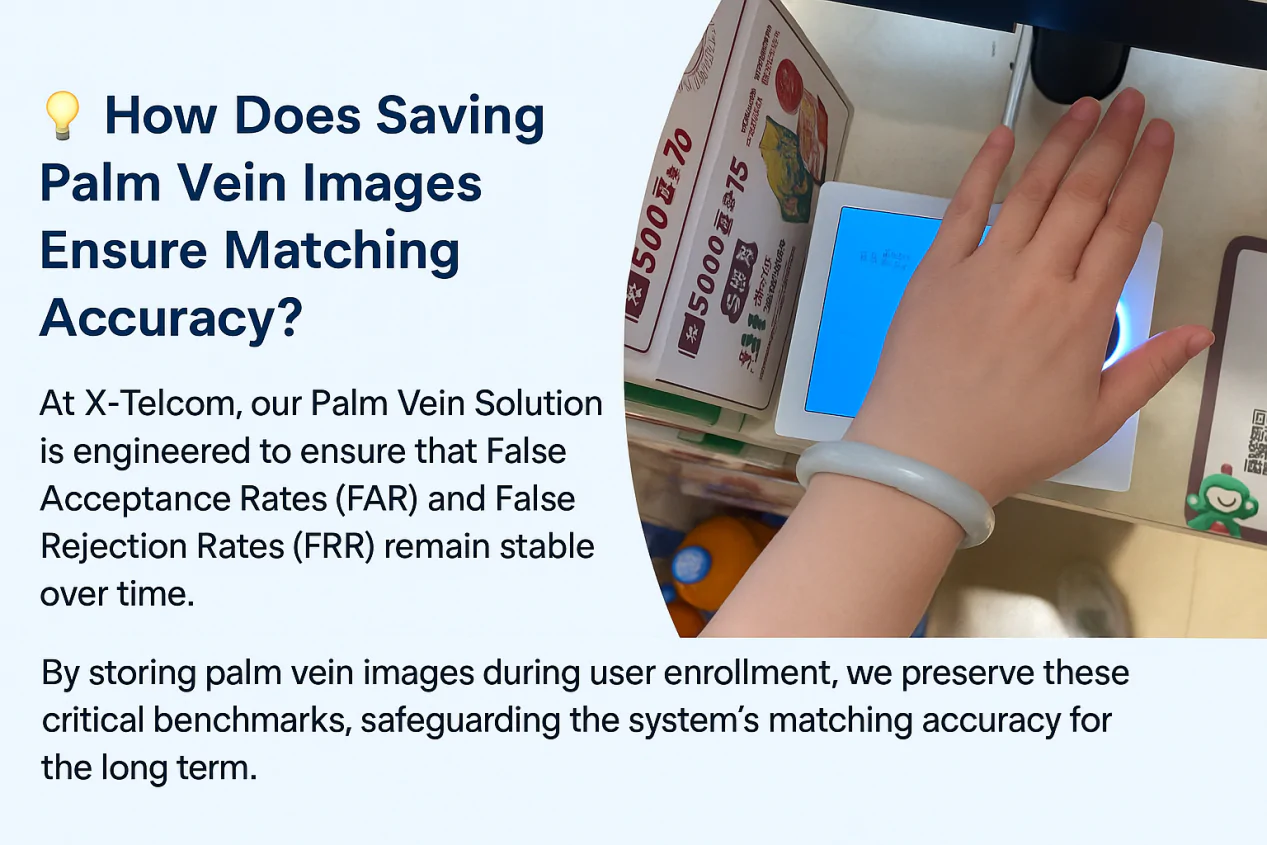
In biometric systems, the quality of registration data determines the consistency and reliability of future matching accuracy.
At X-Telcom, our Palm Vein Technology is designed to maintain stable FAR and FRR performance through every algorithm update or system upgrade.
✋ Why Save Original Palm Images (RGB + IR)?
During user registration, each hand is captured with two synchronized images:
- RGB Image: Records surface palm print patterns
- IR Image: Detects subcutaneous palm vein structures
While extracted feature vectors can support immediate verification,
storing the original RGB + IR images provides a permanent baseline for accurate and reproducible biometric performance.
This ensures that even when algorithms evolve or hardware changes,
the system can always re-analyze from the same original source —
maintaining identical FAR (False Acceptance Rate) and FRR (False Rejection Rate) benchmarks.
⚙️ Model Architecture and Accuracy Consistency
| Model Type | Feature Extraction | Matching Method | Image Usage | Accuracy Baseline |
|---|---|---|---|---|
| Compact Model | Device extracts palm print + vein (RGB + IR) | Remote comparison | unnecessary | Maintains current FAR/FRR |
| Enhanced Model | Device + cloud re-extracts from stored RGB + IR | Combined comparison | Required | Maintains same FAR/FRR after upgrade |
Saving the original images enables the enhanced model to re-align with the same evaluation standard.
Without image preservation, only feature vectors remain — and the system cannot recalibrate or verify consistency,
potentially resulting in accuracy deviation or requiring users to re-register.
🧠 Key Benefits of Image Preservation
✅ Accuracy Stability: Ensures the same FAR/FRR baseline even after algorithm or device updates.
✅ Cross-Environment Calibration: Enables normalization between different light, tone, and scanner models.
✅ Traceability: Allows reproducible audits and verification across long-term system operation.
✅ No Re-Enrollment: Supports seamless transition to future algorithm frameworks without impacting users.
🔒 Data Security and Compliance
All palm images are securely encrypted with AES-256-CBC and stored under strict data access control.
Each record includes a timestamp and access log, ensuring compliance with global data protection standards (GDPR, ISO/IEC 27001).
Access to original images is restricted — only enabled for system calibration, verification, or model upgrade operations.
🌍 Building Long-Term Reliability in Palm Vein Technology
Saving palm vein images is not just a technical detail — it’s a commitment to long-term biometric precision.
It ensures that the Palm Vein Scanner continues to perform with consistent accuracy,
no matter how systems evolve, databases grow, or algorithms advance.
X-Telcom’s Palm Vein Technology delivers this reliability by preserving the original biometric “truth” from registration, allowing every future system generation to operate under the same verified accuracy standard.
Learn More: Palm Vein Reader