
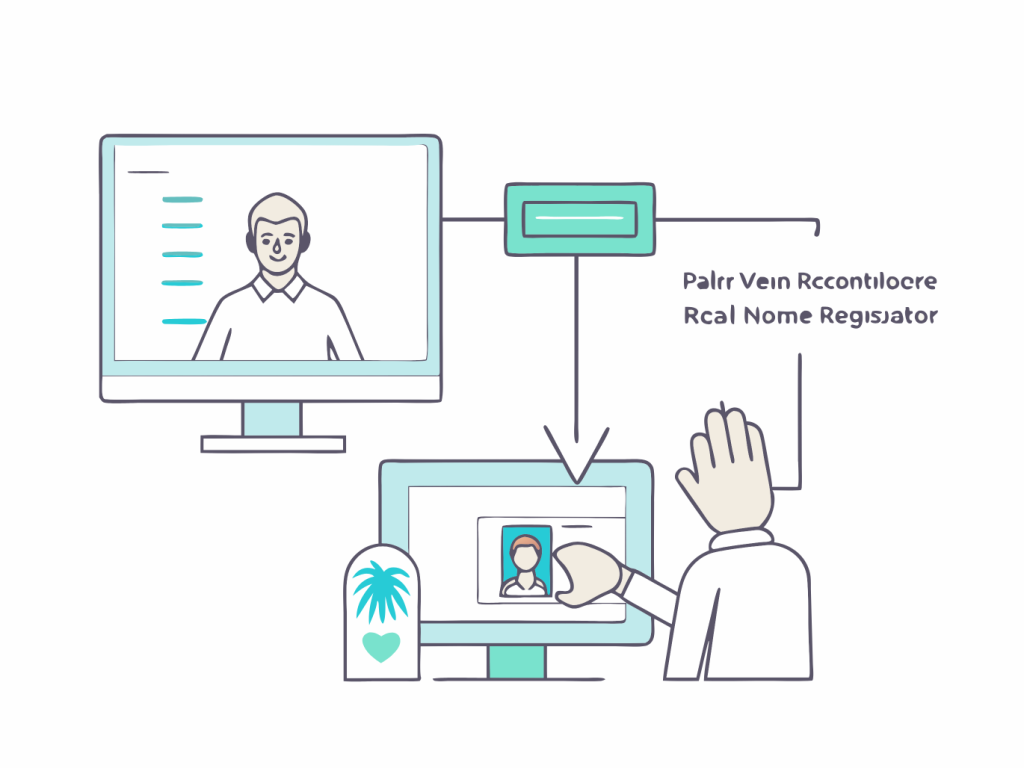
I’ve worked with telecom operators looking for better ways to manage SIM card registration. Many of them worry about fraud and data privacy. That’s why more are turning to palm vein recognition hardware.
Palm vein recognition hardware gives telecom operators a secure, contactless way to verify users in real-name registration systems. It captures internal vein patterns, supports privacy laws, and integrates easily with telecom KYC platforms.
At a telecom conference, I met a team struggling with slow SIM registration. They tried palm vein devices. It cut their customer wait times in half. I’ll explain how it works.
[Table of contents]
- What Is Palm Vein Recognition and How Does It Work in Telecom Real Name Systems?
- Why Do Telecom Operators Prefer Palm Vein Collection for SIM Registration?
- Palm Vein vs Other Biometric Devices for Telecom KYC: Which Works Best?
- How Easy Is It to Integrate Palm Vein Hardware into Telecom Real Name Systems?
- What Are the Disadvantages of Using Palm Vein Hardware in Telecom KYC?
- How Much Does Palm Vein SIM Registration Hardware Cost?
- Summary
What Is Palm Vein Recognition and How Does It Work in Telecom Real Name Systems?
When I first heard about palm vein scanning, I wasn’t sure how it worked. After using it, I found it’s simpler than I thought.
Palm vein scanners use near-infrared light to capture the unique vein patterns inside a person’s palm. Telecoms use this to confirm customer identities during SIM registration.
The scanner reads the veins, not fingerprints. Veins are inside the body, so they’re safer and harder to fake.
How Palm Vein Collection Works
- The user holds their palm over the scanner
- The device shines infrared light into the palm
- Blood absorbs the light, showing the vein pattern
- The scanner maps the pattern and creates a secure digital template
- The system matches it to the user’s records for identity verification
Why Telecoms Use It
- Fast scanning
- Contactless operation
- High user acceptance
- Works well in crowded service centers
Why Do Telecom Operators Prefer Palm Vein Collection for SIM Registration?
Telecom companies I work with say their biggest concern is fraud in SIM registration. They need to follow real-name laws but want a fast, secure system.
Palm vein collection is accurate, hard to fake, and easy for users. It helps telecom operators meet real-name policy rules and prevent identity fraud.
I remember a project where a telecom used palm vein scanners in rural areas. People were hesitant at first but liked how fast and easy it was.
Security and Compliance
- Internal biometric data is private
- Data is encrypted
- Meets telecom real-name policy regulations
- Reduces fake SIM registrations
Why Palm Vein Is Trusted
| Benefit | Palm Vein | Fingerprint | Face Recognition |
|---|---|---|---|
| Fraud Prevention | Very High | Medium | Medium |
| Data Privacy Compliance | Strong | Moderate | Moderate |
| Contactless Operation | Yes | No | Yes |
| User Trust | High | Medium | Medium |
Palm Vein vs Other Biometric Devices for Telecom KYC: Which Works Best?
I’ve worked with different biometric systems in telecom. Each has pros and cons, but palm vein stands out for SIM registration.
Palm vein scanners offer better security and hygiene than fingerprints. They are also more accurate than face recognition in telecom environments.
One telecom told me they used fingerprints for years but struggled in areas where people had worn or damaged prints. Switching to palm vein fixed that problem.
Comparison Table
| Feature | Palm Vein | Fingerprint | Face Recognition |
|---|---|---|---|
| Security | Very High | Medium | Medium |
| Hygiene | Contactless | Touch-based | Contactless |
| Accuracy | Very High | Medium | High |
| Spoof Resistance | Very High | Low | Medium |
Real-World Example
I saw a telecom deploy palm vein devices for SIM card registration. Customers only needed a few seconds for ID verification. It improved their KYC workflow speed by 40%.
How Easy Is It to Integrate Palm Vein Hardware into Telecom Real Name Systems?
IT teams always ask me about integration. It’s simpler than they expect, especially with SDKs and APIs.
Palm vein devices offer standard SDKs and APIs. This makes them easy to integrate with telecom KYC platforms and SIM registration apps.
I worked with one telecom that needed a fast rollout. We integrated their palm vein devices with their real-name system in under two weeks.
Integration Features
- Cross-platform SDKs (Windows, Linux, Android)
- API support for custom telecom apps
- Encrypted data transfer for secure KYC compliance
- Fast developer onboarding
Real-World Integration
One telecom used palm vein scanners in over 300 stores. Integration with their backend system allowed real-time identity checks and reduced fraud alerts by 60%.
What Are the Disadvantages of Using Palm Vein Hardware in Telecom KYC?
No tech is perfect. I always make sure telecoms know what to expect.
Palm vein devices cost more up front and need user education. Some areas may need staff training to get customers comfortable.
A telecom I worked with had to run awareness campaigns to show customers how palm vein scanning worked. But in time, people trusted the system.
Common Challenges
- Higher hardware cost ($500 – $2000)
- Needs staff and customer education
- Limited suppliers compared to fingerprint scanners
How Much Does Palm Vein SIM Registration Hardware Cost?
One of the first questions I hear at telecom industry conferences is about price.
Palm vein SIM registration hardware costs between $500 and $2000 per device. Prices depend on features, volume, and support options.
I helped a telecom save money by negotiating bulk orders through an ICT exhibition. They equipped 200 stores at a lower cost.
Pricing Factors
- Device model and features
- Bulk discounts
- SDK and software licenses
- Vendor support and warranties
Example Pricing
| Vendor | Unit Price | Bulk Discount | Compliance Standards |
|---|---|---|---|
| Vendor A | $1800 | Yes | Telecom KYC Ready |
| Vendor B | $1500 | Yes | Basic Compliance |
| Vendor C | $2000 | No | Full Compliance |
Summary
Telecom operators use palm vein hardware for secure, fast, and compliant SIM registration. It supports real-name systems and makes KYC easy and fraud-proof.