
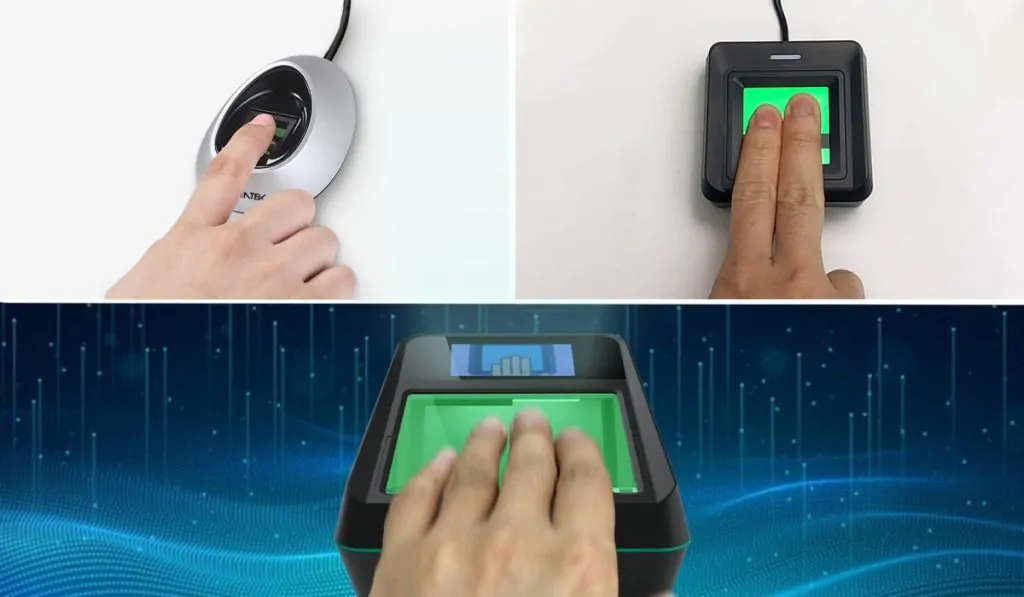
Fingerprint scanners have become a cornerstone of secure authentication in industries requiring stringent security. Their unmatched accuracy, combined with unique biometric identifiers, makes them indispensable in large-scale projects for government, banking, and other critical sectors.
Fingerprint scanners are reliable due to the unique and unrepeatable nature of fingerprints, which act as strong security defenses. Unlike passwords or PINs, fingerprints cannot be guessed or easily replicated, ensuring robust authentication. Advanced technology in scanners further improves accuracy and reduces errors, making them an essential tool in biometric systems.
Let’s delve deeper into what makes fingerprint scanners so accurate and dependable for secure authentication systems.
How Reliable Are Fingerprint Scanners?
I once worried about losing my phone’s password. That fear made me try fingerprint scanners. They seemed like the perfect fix. But do they truly deliver accurate and safe security?
Fingerprint scanners can achieve accuracy rates that often exceed 99%, especially when high-quality devices and multiple fingers are used. They are secure and convenient, but they still have vulnerabilities that require extra caution.
I remember the day I struggled with a faulty fingerprint sensor at my workplace. My finger was slightly wet, and the scanner refused to let me in. That event changed how I saw reliability.
Understanding Fingerprint Scanner Accuracy
I have always wondered how these scanners handle so many unique prints every day. This section explores how accuracy rates are measured and why they matter much for everyday security.
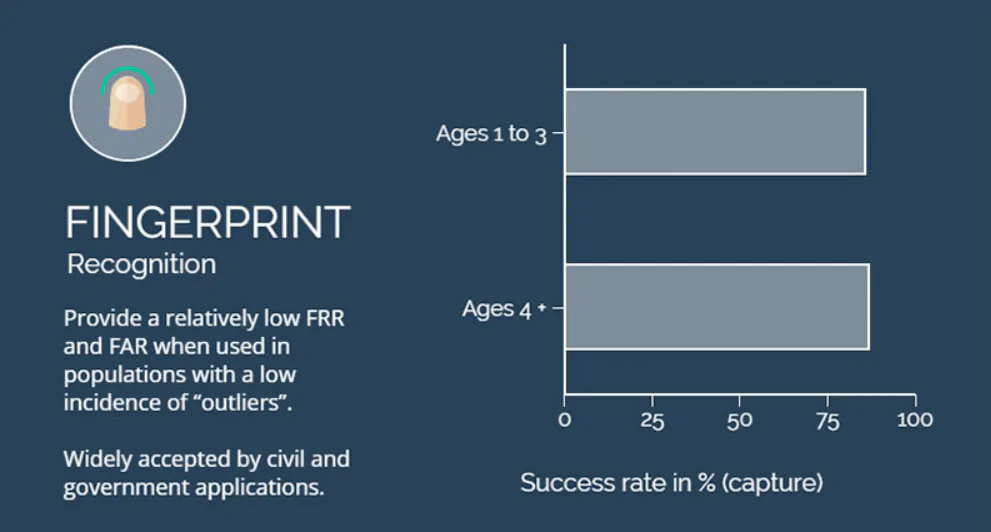
Fingerprint scanners can surpass a 99% success rate in controlled settings. They work best when users keep their fingers clean and dry. Using multiple fingers can raise accuracy even more, which helps reduce false rejects and secures data.
I believe accuracy depends on several factors. The scanner’s quality can make a big difference. My experience shows that dirty or damaged fingers often cause false rejections. I also notice that different technologies handle prints in unique ways.
Condition of the Scanner
A good scanner collects finer details. It minimizes errors. Older or cheaper models might misread ridges and valleys.
Condition of the Finger
I have seen scanners fail when my hands are cold or wet. Dry and clean fingers help the sensor capture precise patterns.
Technology Used
Some scanners use light. Others measure electric signals. A few use ultrasonic waves. Each one has different tolerance for fake prints.
Below is a quick view of how common technologies stack up:
| Scanner Type | Typical Accuracy | Spoof Resistance |
|---|---|---|
| Optical | ~98% | Moderate |
| Capacitive | ~99% | Higher |
| Ultrasonic | ~99% | Mixed |
What About Security Concerns?
I have asked myself if these scanners are foolproof. This part looks at attacks, spoofs, and other risks that might appear when someone tries to bypass fingerprint security.
Fingerprint authentication is generally more secure than passwords. Yet, advanced spoofing can happen if criminals have the right tools. Ultrasonic scanners can be less immune than expected, so extra security layers remain important.
I learned that spoof attempts may work with fake casts or lifted latent prints. However, these attacks need special materials. I know that many institutions add multi-factor authentication to protect critical data. That helps even when scanners slip.
Spoofing Methods
Attackers might use molds made from plastic or silicone. They need a clear fingerprint image or residue to form these replicas.
Possible Countermeasures
Some scanners detect skin texture or blood flow. That helps block most fakes. Companies also suggest combining a fingerprint scan with a PIN or face ID.
What Makes Fingerprints Reliable Evidence?
I once heard that no two fingerprints are alike. That idea made me curious. Are they truly the gold standard for identifying suspects?
Fingerprints often provide solid evidence because they stay unique and stable for life. But their accuracy depends on proper collection, correct analysis, and careful handling of any possible human error or bias.
I remember reading about a court case where one flawed fingerprint led to confusion. That story made me question the real strength of fingerprint evidence.
Understanding the Foundations of Fingerprint Reliability
I have always wondered what makes fingerprints so special. This section explores their nature and why they became essential in forensic work.
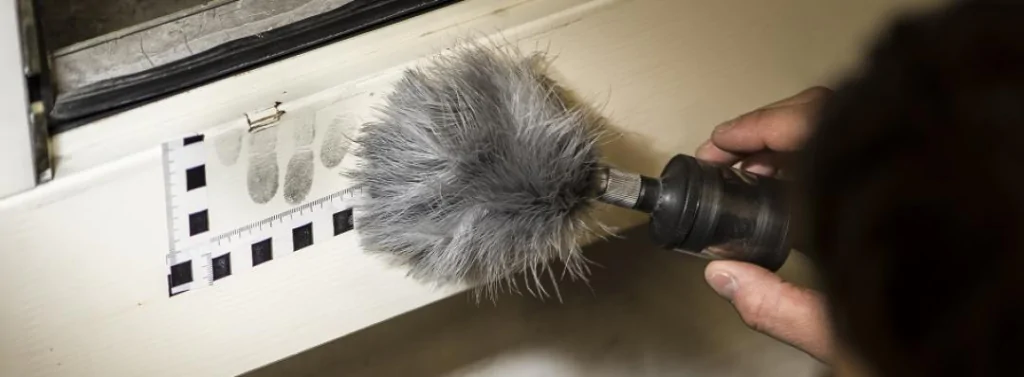
Fingerprints are reliable when examiners handle them correctly. Their ridges rarely change, and older prints can last on surfaces. Yet, mistakes can happen if the prints are smudged or partially visible.
I think many factors contribute to their reliability. Experts say our fingerprint patterns form before birth and remain stable. That means they serve as personal markers. But quality can drop when oils on fingertips wear off or when the surface is rough.
Why Fingerprints Seem Permanent
Fingerprint ridges stay consistent over time. My friend once compared old and new scans. They matched well, confirming that our patterns do not shift much.
Factors That May Reduce Clarity
- Sweat
- Dirt
- Cuts or scars
- Environmental conditions
These elements can obscure ridge details. Examiners might then struggle to match partial prints.
Below is a table that sums up how certain conditions affect clarity:
| Condition | Potential Impact on Print |
|---|---|
| Dry skin | Less distinct ridges |
| Wet surfaces | Smudged impressions |
| Greasy or oily | Blurred patterns |
| Damaged skin | Inconsistent lines |
Exploring Current Debates
I have noticed many experts question the absolute trust in fingerprints. This part examines why some remain skeptical.
Some researchers argue that errors can arise from human bias, flawed technology, or poor print quality. They urge courts to treat fingerprint evidence with caution instead of seeing it as perfect proof.
I see that human examiners must compare prints under pressure. Their judgment might be influenced by expectations or assumptions. That risk grows when they deal with partial or messy prints. Automated systems help, but they also rely on algorithms that demand clear images.
Potential for Error
- Confirmation bias: Examiners might expect a certain match.
- False positives: Rare but can mislead investigations.
- Overreliance on incomplete prints.
What Affects the Reliability of Fingerprint Recognition?
I once forgot my phone password. That drove me to rely on fingerprint scanners. But do they really stay reliable in every condition?
Fingerprint reliability depends on clear prints, good sensor technology, and consistent user actions. Dirty or wet fingers, poor lighting, and flawed algorithms can affect accuracy. Sensor quality and user habits also matter a lot.
I recall a time when a dusty scanner at work locked me out. That moment sparked my interest in what really influences fingerprint scanner performance.
How Fingerprint Quality Affects Accuracy
I have noticed that smudged or partial prints confuse even high-tech scanners. This part looks at how clean, complete fingerprints enhance recognition rates.
Complete and clear prints produce better matches. Incomplete or damaged prints often lead to errors. Proper skin care and steady finger placement raise the chance of correct identification.
I see that many issues arise from print clarity. People sometimes press too hard or too lightly. That distorts ridges. Worn or scarred skin also reduces detail. Below are typical trouble points:
Incomplete Prints
Missing ridges hamper the matching process. Fewer features lead to a higher error rate.
Damaged Fingers
Cuts or peeling skin break ridge patterns. That can confuse algorithms.
| Condition | Possible Effect |
|---|---|
| Wet Fingers | Smudged patterns |
| Dry Fingers | Faint ridges |
| Dirty Scanner | Blurry image capture |
Why Environment and User Actions Matter
I once saw a fingerprint sensor struggle in extreme heat. This section explains how surroundings and handling affect scanner outcomes.
Poor lighting, high humidity, or dirty sensors can degrade performance. Users can also misplace their fingers, causing mismatches. Consistent positioning and moderate environmental conditions help maintain accuracy.
I know that temperature swings sometimes cause hardware glitches. A hot office makes sensors overheat. People with sweaty hands also leave smears. Here’s a quick look at key factors:
Sensor Sensitivity
High-resolution sensors capture finer ridge details. Lower-end ones skip them, leading to false rejects.
User Pressure
Pressing too hard warps the print. Light touches might yield partial data.
Maintenance
Dust and residue collect on the sensor. Regular cleaning avoids scanning errors.
How Reliable Is Fingerprint Technology in Real-World Applications?
I once used a fingerprint scanner to unlock my phone, and it seemed flawless. But is it always that dependable in real situations?
Fingerprint technology can achieve over 99% accuracy under ideal conditions. It remains one of the most widely used biometric tools, balancing security with convenience in law enforcement, business access, and personal devices.
I recall struggling with a fingerprint lock on a cold morning. My fingers were dry, and the device refused to recognize me. That event made me question how robust this technology really is.
Understanding the Accuracy of Fingerprint Technology
I have seen countless references to fingerprints as a gold standard in identification. This section explores how accurate these systems can be.
Tests by organizations like NIST show success rates often above 98% for single-finger scans. More fingers scanned can boost accuracy close to 99.9%, as long as scanners and prints are clear.
I learned that consistency matters. The FBI reports that modern scanners perform well, but false positives still appear if prints are smudged or if the software algorithms are weak. Multiple studies confirm that high-end scanners can capture fine ridges, which leads to fewer mismatches. Experts also highlight that using more than one finger reduces error rates.
Key Points
- NIST shows very low false acceptance rates (~0.01%)
- More fingers used equals higher accuracy
- Advanced scanners handle wet or dirty fingers better
| Number of Fingers Used | Typical Accuracy |
|---|---|
| 1 | ~98% |
| 2 | ~99.6% |
| 4+ | ~99.9% |
Factors That Influence Reliability
I noticed fingerprint systems sometimes fail in less-than-ideal settings. This part uncovers which factors affect real-world performance.
Environmental conditions, scanner quality, and human actions all shape reliability. Good hardware and consistent finger placement can raise accuracy. Extreme temperatures or poor lighting can degrade results.
I have seen older scanners struggle with damp or oily fingertips. Improper finger placement also confuses the sensor. Ultrasonic devices help in tough conditions but can still misread if dust covers them. The best results require proper care and training.
Common Challenges
- Dirty or wet surfaces
- Damaged skin or scars
- Outdated scanner firmware
- Biased examiner interpretation
What Are Common Challenges in Fingerprint Biometrics?
I once struggled with a fingerprint scanner at the gym. That frustration made me question these systems. Are they truly effective, or do challenges still stand in their way?
Fingerprint biometrics often fail in certain conditions. Low-quality images, worn ridges, and environmental factors can block accurate recognition. Attacks and data leaks also pose threats. Knowing these issues can help fix them and strengthen trust in biometric systems.
I recall visiting an office where a dusty scanner caused big delays. Security guards ended up bypassing the system. That reminded me that fingerprint biometrics are not perfect. Let’s explore the biggest hurdles and see how they impact real applications.
Understanding the Common Challenges
I once wondered how small issues can derail entire biometric solutions. This section reveals the frequent problems that keep fingerprint systems from reaching their full potential.
Challenges often include poor fingerprint quality, tough environmental conditions, and security gaps like spoofing. Implementation costs also rise if there is no consistent standard. Addressing these issues can improve reliability and user trust.
I believe these challenges can be grouped into several main areas. My experiences show that bad image capture and skin problems cause many headaches. Environment and hardware also play a huge role. Security threats add another layer of risk.
1. Quality of Fingerprint Capture
Poor images limit matching success. Dirt or moisture make ridges unclear. Aging skin or manual labor can wear down patterns. I have seen devices reject a friend’s prints after his hands got too calloused.
2. Environmental Factors
Temperature and humidity affect how fingers press on the scanner. Extreme cold can tighten skin, while sweat in hot places makes smudges. I once touched a sensor after handling iced water. The system would not recognize me.
3. Security Vulnerabilities
Spoofing attacks remain a concern. Some criminals use fake silicone prints. That reality makes me cautious about relying solely on fingerprints. Data theft is also worrisome. Breached databases expose sensitive biometric information.
4. Error Rates
False acceptances let intruders in. False rejections keep valid users out. These errors vary by system. I recall seeing a fingerprint lock that rejected its owner one day, then granted access to someone else by accident.
Below is a quick table showing how issues can lead to errors:
| Issue | Possible Outcome |
|---|---|
| Smudged Prints | Higher false rejections |
| Spoofed Fingerprints | Higher false acceptances |
| Inconsistent Standards | Integration difficulties |
5. Lack of Standardization
Some scanners save prints in one format, while others use a different one. That lack of uniformity complicates large-scale integration. I remember a workplace that tried merging new scanners with older systems. It took months of adjustments.
6. High Implementation Costs
Hardware, software, and training incur substantial expenses. Small businesses may skip biometrics because of limited budgets. I met a local shop owner who preferred keypad locks to avoid paying for a fingerprint solution.
Is Fingerprint Safer Than a Password?
I once worried about typed passwords being easy to forget. Then I tried fingerprint unlock. It felt convenient. But is it actually safer than a strong password?
Fingerprint systems offer convenience and unique identification. However, they are not foolproof. Hackers can spoof prints, and law enforcement can force users to unlock devices. Meanwhile, passwords can be changed if compromised, but can also be guessed or stolen.
I recall my sensor failing on a cold morning. My finger felt dry, and the device refused to unlock. That experience reminded me that both fingerprints and passwords have gaps in real use.
Understanding the Security Behind Fingerprint vs Password
I have often compared my trusty long passwords to the ease of scanning a finger. This part explains how each method handles security in everyday scenarios.
Fingerprint recognition ties access to a physical trait. A stolen biometric cannot be “reset.” Passwords are made of characters and can be changed anytime. Both methods have different risks.
I see that fingerprints seem personal and unchangeable. That is good in some ways because no one can guess them by brute force. But it also worries me because once a fingerprint is copied, I cannot swap to a new finger.
On the other hand, passwords are flexible. I can set a 16-character key and update it monthly. That protects me if a leak happens. However, I sometimes struggle to remember it, and I might slip up and reuse an old one.
Here is a quick view of key differences:
| Factor | Fingerprint | Password |
|---|---|---|
| Reset/Change | Not possible if compromised | Can be changed anytime |
| Attack Surface | Spoofing or forced unlocking | Phishing or brute-force attacks |
| Convenience | Quick scan | Typing can be slow |
How Do Capacitive Fingerprint Sensors Achieve Higher Accuracy?
I once wondered why my phone’s fingerprint scanner worked better than older models. That curiosity pushed me to learn about capacitive sensors. They promise high accuracy. But how exactly?
Capacitive fingerprint sensors use tiny electrical charges to map the ridges and valleys of a finger. They capture detailed patterns, resist environmental interference, and employ advanced matching algorithms. This combination boosts accuracy beyond older technologies.
I recall testing an older optical scanner with poor results. Then I tried a capacitive sensor. It recognized my finger faster, even if it was a bit dirty. That contrast made me look deeper.
Understanding the Basics of Capacitive Sensors
I learned that capacitive sensors measure electrical differences rather than relying on light. This mechanism forms the core of their superior accuracy.
A capacitive sensor creates an electric field just below a touch surface. Each ridge or valley changes the field differently. The sensor then converts those changes into a clear digital image.
I discovered a few key points that elevate capacitive sensors beyond other methods.
Electric Field Mapping
The sensor uses an array of small capacitors. These track voltage changes. When my finger’s ridges touch them, the field shifts. That difference helps the sensor identify me.
High Resolution and Clarity
Many capacitive sensors collect data at high DPI. That means they capture more details. Faint ridge patterns become clear. In my experience, that leads to fewer false rejections.
Resilience in Various Conditions
Some older sensors fail when my finger is wet. Capacitive systems usually handle light moisture better. They depend less on visible images and more on conductive properties.
| Sensor Type | Sensitivity to Dirt | Accuracy in Damp Conditions |
|---|---|---|
| Optical | High | Lower |
| Capacitive | Lower | Higher |
Software Algorithms
After capturing data, the sensor’s software runs feature extraction. It picks out special ridge points. Advanced algorithms reduce noise. That results in more correct matches.
Conclusion
Fingerprint scanners provide a secure, efficient, and highly reliable method of authentication, critical for large-scale applications. Their unmatched accuracy and resilience against tampering make them ideal for industries with high security demands. As technology advances, these devices will continue to play a vital role in secure authentication systems.