
Introduction
When evaluating biometric solutions, one of the most frequently asked questions is:
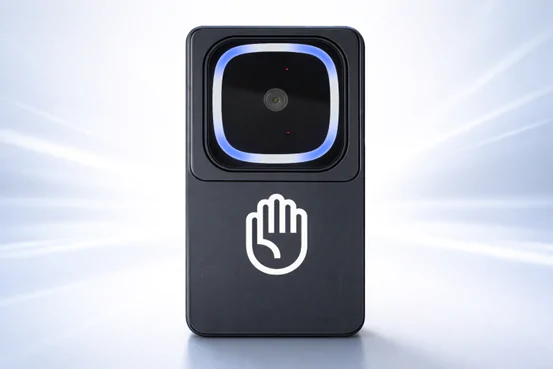
What is the price of a palm vein scanner?
The answer is not a single number.
Because in real-world deployments, the cost of a palm vein solution is not just about the device itself.
It is primarily structured around two key components:
👉 Hardware Cost
👉 License Cost (User ID-based)
Among these, the license model is the core factor that determines long-term cost and scalability.
Understanding the Real Cost Structure
A palm vein solution is a system-level investment, not just a hardware purchase.
The total cost is built on:
1. Hardware Cost (One-Time Investment)
This includes:
- Palm vein devices
- Deployment hardware
Key characteristics:
- One-time purchase
- Cost depends on configuration and volume
- Becomes less significant over time
2. License Cost (The Core of Scalability)
In X-Telcom palm vein solutions, the system is based on an ID licensing model.
This means:
- Each registered user = 1 ID
- The total number of IDs defines system capacity
- Deleting users frees up IDs
👉 The more users you have, the more licenses you need
Small Model vs Large Scale Model
Small Model (MVP Stage)
- Supports up to 10,000 user IDs
- Designed for testing, pilot, and early deployment
✅ X-Telcom provides up to 10,000 free ID licenses for MVP stage
This allows customers to:
- Start with zero algorithm cost
- Validate business models quickly
- Complete system integration and testing
Large Scale Model (Production Stage)
When your system grows:
👉 Once the number of users exceeds 10,000, additional ID licenses must be purchased
Key characteristics:
- Supports hundreds of thousands to millions of users
- Designed for real-world commercial systems
- Requires scalable backend (GPU + vector database)
How License Scaling Works
- License is a one-time purchase (lifetime use)
- Available in packages (e.g., 100K, 1M users)
- No transaction-based fees
- Expansion is done by adding more user ID licenses
Why License-Based Pricing Matters
This model is fundamentally different from many other systems.
It ensures:
- No per-transaction cost
- Predictable long-term investment
- Clear scaling path based on user growth
It also aligns with system architecture:
- Larger user bases require more computing power
- License reflects system capacity, not usage frequency
Real Cost Logic in Practice
Early Stage
- Hardware purchase
- Up to 10,000 users supported
- ✅ No additional license cost
Growth Stage
- User base expands beyond 10,000
- Purchase additional ID licenses
- Upgrade infrastructure if needed
Large-Scale Deployment
- Hundreds of thousands to millions of users
- Multiple license packages
- Fully scalable system architecture
Why This Model Is Built for Long-Term ROI
Compared to traditional systems:
- No cards or consumables
- No recurring transaction fees
- Lower fraud risk
- Higher accuracy reduces operational cost
Combined with:
- One-time license model
- Scalable architecture
👉 It delivers strong long-term cost efficiency
Conclusion
The price of a palm vein scanner should not be evaluated as a single hardware cost.
Instead, it should be understood as:
👉 Hardware + License (User ID-based)
And more importantly:
👉 License cost defines how your system scales
Final Thought
You do not pay per transaction.
You scale by users.
This is what makes X-Telcom palm vein solutions predictable, scalable, and ready for real-world deployment.
CTA
If you want a tailored pricing model based on your project:
- Number of users
- Deployment scale
- Application scenario
We can provide a clear and structured cost plan.
👉 Learn more: https://x-telcom.com/palm-vein-reader/